




Aqara Vibration Sensor Review: A Tiny Zigbee Sensor That Rewards Tinkerers
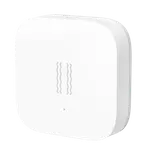
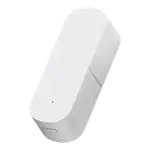
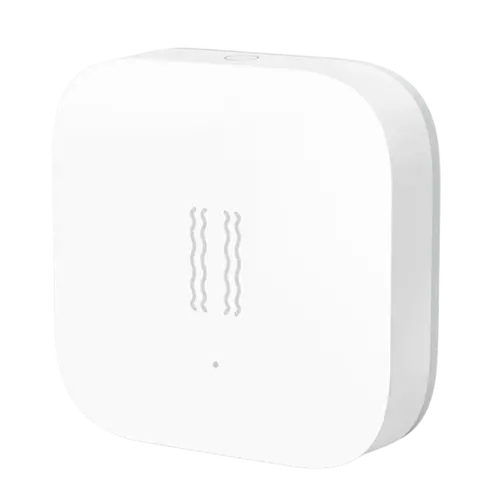
The Aqara Vibration Sensor is a small Zigbee puck built for DIY automation projects like detecting a running washer, dryer or sump pump, sensing glass break on a window, or flagging a tilted door or drawer. Buyers who pair it with a Home Assistant, HomeKit or Aqara hub setup and take a few minutes to dial in the sensitivity get reliable results, while those expecting out-of-the-box precision for delicate use cases sometimes find it too sensitive, not sensitive enough, or slow to reset after a vibration event. At its low price, it remains a popular pick for hobbyists building custom automations rather than buyers wanting a polished plug-and-play alert system.
- Home Assistant and Zigbee2MQTT tinkerers
- HomeKit users wanting a small tilt or vibration trigger
- Appliance-cycle detection (washer, dryer, sump pump)
- Budget-conscious DIY security and automation projects
Pros
- Small, unobtrusive design that mounts almost anywhere
- Works with Google Home, Alexa, Apple HomeKit, Home Assistant and IFTTT
- Adjustable sensitivity for tuning to your use case
- Useful for appliance-cycle, pump and glass-break detection
- Low price point
Cons
- Sensitivity often needs manual tuning to avoid false alarms or missed events
- Tilt alerts report only that a tilt occurred, not the device's orientation
- Long reset time after a vibration event limits fast, repeated triggering
- Requires a Zigbee hub; no Samsung SmartThings support
- No on-device alert sound or low-battery alert
Who is the Aqara Vibration Sensor for?
This sensor is aimed at smart home hobbyists who want to build a custom automation rather than buy a finished alert product. Reviewers commonly use it to detect when a washer or dryer finishes its cycle, to monitor a sump or waste pump that runs somewhere out of earshot, to sense glass breakage on a window or door, or to flag when a mailbox lid or drawer has been tilted open. Because it needs a Zigbee hub (an Aqara hub, or a third-party Zigbee coordinator via Home Assistant or Zigbee2MQTT), it fits best in a household that already has a Zigbee network running, and it integrates with Google Home, Alexa, Apple HomeKit, Home Assistant and IFTTT, plus Matter through an Aqara Hub M2.
What buyers love
The most common praise is for the compact, unobtrusive size, which makes it easy to hide on a window frame, door, drawer or appliance without standing out. Many reviewers highlight smooth pairing with Home Assistant, including through third-party Zigbee dongles, and describe the setup as quick once the hub is in place. Its adjustable sensitivity setting is a recurring positive once buyers tune it to their specific use case, and several mention responsive, helpful customer support when a unit arrived faulty. It is also frequently praised as a cheap way to add vibration, tilt or drop detection to an existing automation platform.
What to know before you buy
Sensitivity is the sensor's biggest recurring friction point: some buyers find it triggers false alarms from minor disturbances, while others find it misses genuine vibration unless placed directly against the source, meaning it often takes trial and error with the sensitivity setting to get right. The tilt detection only reports that a tilt event occurred rather than the device's actual orientation, which limits its use for door open/closed style monitoring. Several reviewers also note a long reset window after a vibration event, which makes it less suited to use cases needing fast repeated triggers, and a few mention it losing connection over time on non-Aqara Zigbee coordinators. There is no on-device alert sound or low-battery alert listed, so notifications depend entirely on your smart home platform being online, and Samsung SmartThings is not supported.
Is the Aqara Vibration Sensor worth it?
For its low price, the Aqara Vibration Sensor delivers a genuinely useful building block for vibration, tilt and drop-based automations, especially for buyers already invested in Zigbee, Home Assistant or HomeKit. It is not a precision instrument and works best when you are willing to spend a little time tuning sensitivity for your specific mounting spot, but for appliance monitoring, glass-break detection or simple tamper alerts, it remains a popular, affordable choice.
Frequently asked questions
Does the Aqara Vibration Sensor need a hub?
Yes, it uses Zigbee and needs a Zigbee hub such as the Aqara Hub M3, though several buyers also successfully pair it directly with Home Assistant through a third-party Zigbee coordinator.
Does the Aqara Vibration Sensor work with Alexa and Google Home?
Yes, it supports Google Home and Alexa integration, along with Apple HomeKit, Home Assistant and IFTTT, and Matter when used with an Aqara Hub M2.
Can the Aqara Vibration Sensor tell if a door is open or closed?
It can detect tilt events, but it only reports that a tilt occurred rather than the current orientation, so it is better suited to detecting movement or tampering than tracking open/closed door state precisely.
Is the Aqara Vibration Sensor sensitivity adjustable?
Yes, sensitivity is configurable, which buyers say is often necessary to balance catching real vibrations against avoiding false alarms for a given mounting location.
What can the Aqara Vibration Sensor be used for?
Common uses include detecting when a washing machine or dryer finishes a cycle, monitoring a sump or waste pump, sensing glass breakage on windows or doors, and flagging tampering or tilting of drawers, mailboxes or other objects.