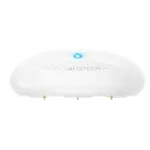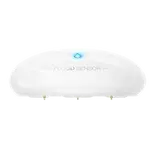





Resideo L1 WiFi Water Leak and Freeze Detector Review: Easy Setup and Useful Alerts, Undermined by Wi-Fi Dropouts for Some
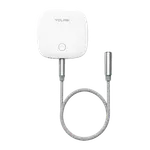
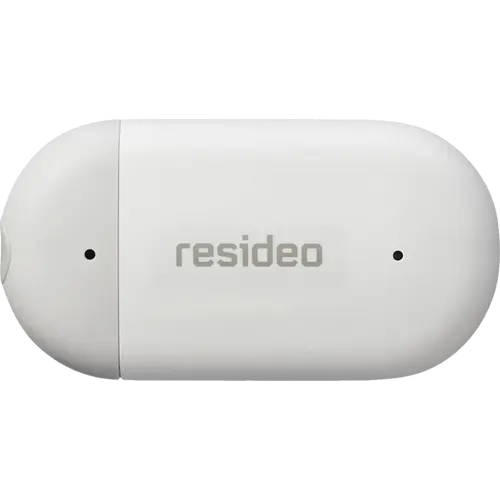
The Resideo L1 is a battery-powered Wi-Fi detector that senses water at its base and along a cable, tracks temperature and humidity, and warns by app push, email and a loud on-device alarm. Owners praise the simple app-guided setup, the early warnings that have caught real leaks near water heaters, sinks and sump pumps, and the clear alerts, including a notice when the leak clears. The big complaint is reliability: a sizeable group report units that drop off Wi-Fi, need battery pulls to reconnect, refuse to pair, or report low batteries early, plus humidity alerts that read as false alarms. It works only inside the Resideo app, with no Alexa, Google Home, Apple Home, SmartThings or Matter support, and the maker's support gets mixed reviews.
- Water heaters and sump pumps
- Under-sink and laundry spots
- Vacation homes and basements
- Homeowners chasing an insurance discount
Pros
- Simple app-guided Wi-Fi setup with no hub
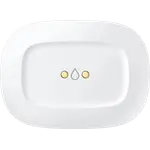
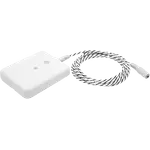
- Detects water at the base and along the cable sensor
- Also tracks temperature and humidity with freeze and range alerts
- Prompt push and email alerts, with a notice when the leak clears
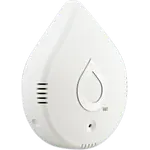
- 100 dBA buzzer and blinking red LED on the device
- Pairs with the L5 shutoff valve for automatic shutoff
Cons
- Some units drop offline repeatedly or refuse to connect to Wi-Fi
- Battery drain and low-battery messages reported early
- Humidity alerts and occasional false positives
- App interface criticized, with whole-degree readings
- Works only in the Resideo app, with no Alexa, Google Home, Apple Home, SmartThings or Matter
- 2.4 GHz Wi-Fi only and priced above a basic leak puck
Who is the Resideo L1 WiFi Water Leak and Freeze Detector for?
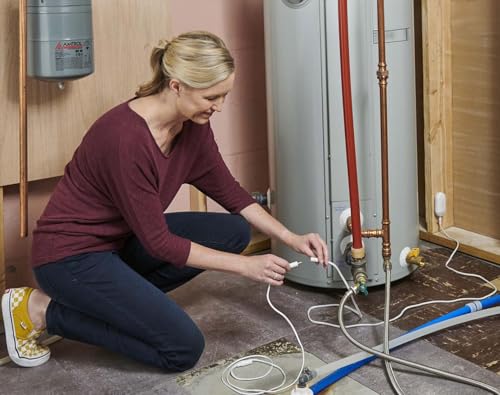
It suits people who want a leak and freeze alert without a hub: one under every sink, one by the water heater, sump pump or laundry room, or one in a vacation home to watch for burst pipes and leaks while away. Several owners bought it for an insurance discount or to pair with a Resideo thermostat or an automatic shutoff valve, and others use the temperature and humidity readings to keep an eye on a basement or a church building. It fits a household that is happy living in one app.
What owners like
Setup is the most repeated praise, with owners saying the app walks them through joining Wi-Fi in minutes and that it can be set on the floor or mounted on a wall. They like that it reports water, temperature and humidity, that the push notifications are prompt and include a second notice when the problem is resolved, and that the cable sensor lets it watch more than a single spot. Owners with units that stay connected say it has caught small leaks before they became expensive, and some value that it connects on a schedule to save battery.
What to know before you buy
Connection reliability is the main issue. A noticeable group of owners say the detector drops offline every day or every few days, needs the batteries removed to reconnect, will not join Wi-Fi at all, or must be reset when the router changes. Some units cannot be added because they show as registered to someone else, and some owners see low-battery messages after only a short time. Others report false alarms: humidity changes triggering alerts instead of standing water, and a leak alert that turned out to be nothing. The app gets criticism for an ugly or cluttered interface, readings in whole degrees, a graph that cuts off its range and an intrusive location permission. Owners who tried to link it to SmartThings or Home Assistant had trouble, and the spec sheet lists no voice or Matter support. Some find the price high, and support is described as helpful for some and unhelpful for others.
Is the Resideo L1 worth it?
When it stays online it does the job well, and owners with a stable Wi-Fi signal near the sensor are generally pleased. Because dropouts are common among the unhappy reviews, test it for a week in the exact spot, keep a spare battery set, and remember that it is only useful if the alert reaches you. If you want voice control, Apple Home or Matter, or the lowest-risk option, look at another brand or a hub-based sensor.
Frequently asked questions
Does the Resideo L1 water leak detector need a hub?
No. It joins a 2.4 GHz Wi-Fi network on its own and reports straight to the Resideo app. Bluetooth is used only to pair the detector with the app during setup, so there is no base station or bridge to buy.
How far does the cable sensor reach?
A 5 ft (1.5 m) cable sensor comes in the box and the whole length of it senses water. Accessory cables (WLD3CABLE, sold separately) chain onto it to extend the sensing run to a maximum of 500 feet.
Does it work with Alexa, Google Home, HomeKit or SmartThings?
No. Resideo's own smart home partners list covers thermostats and its security panel for Alexa, Google Assistant and Apple Home, and the only leak detector on its SmartThings list is the discontinued previous model. The L1 is also not Matter certified. Alerts arrive as app push notifications and emails instead.
How is the L1 powered and how long do the batteries last?
Two AA alkaline batteries, included in the box, rated for two years of use. There is no wired power option. A few owners report early low-battery messages, so keep spares.
Does it stay connected to Wi-Fi?
Many owners report it stays connected for months, but a noticeable group say it drops offline, needs the batteries removed to reconnect or must be set up again after a router change. Test it in its final spot for a week.
Can the L1 shut the water off by itself?
Not on its own, it is a detector. Up to 30 L1 detectors can be paired with an L5 WiFi water leak shutoff valve, and then a leak found by any of them closes the water supply automatically.