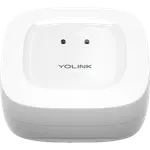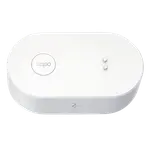



Tapo T300 Review: A Reliable Leak Sensor Once You Accept the Hub Requirement
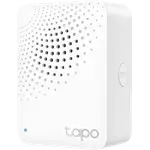
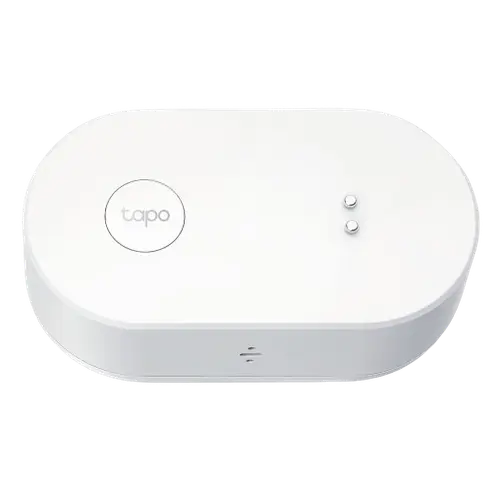
The Tapo T300 is a battery-powered water leak sensor that connects over a Sub-1GHz radio to a Tapo Hub rather than directly to WiFi, which extends its rated multi-year battery life but means it cannot work standalone. Buyers already in the Tapo or Kasa ecosystem consistently praise how quickly it pairs and how loud and reliable its alerts are, with several crediting it for catching leaks early on water heaters, sinks, and washing machines. The most common complaints trace back to the hub requirement itself, either buyers who didn't realize a hub was needed, or regional mismatches between the sensor and hub models outside the US. For anyone already running Tapo devices, or willing to add the hub, it's a dependable, long-lasting leak sensor.
- Existing Tapo or Kasa smart home households
- Buyers who don't mind adding a Tapo Hub
- Water heaters, sinks and washing machines
- Long-term, low-maintenance battery monitoring
One sensor per water source: kitchen, bathroom, laundry.
Buy on Amazon USACheck pricePros
- Long, multi-year battery life thanks to the Sub-1GHz hub connection
- Loud, effective 90dB on-device alarm
- Quick setup within the Tapo app ecosystem
- Works with Google Home
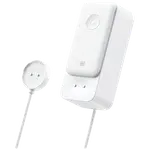
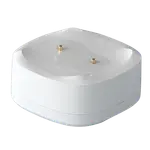
- Detects water from both top and bottom of the unit
- Integrates smoothly alongside other Tapo and Kasa devices
Cons
- Requires a separate Tapo Hub, does not connect directly to WiFi
- Regional hub/sensor model mismatches reported outside the US
- Top drip sensor is a small target that can miss an off-center drip
- No Apple HomeKit, SmartThings or Matter support
- No built-in temperature sensor
Who is the Tapo T300 for?
This sensor is built for buyers already using or willing to add a Tapo Hub, since it connects over a Sub-1GHz radio rather than WiFi or Bluetooth directly, a design choice that buyers who understand it credit with much longer battery life and range than WiFi-only sensors. It integrates with Google Home (not Alexa, which has no device type for leak sensors), and works well alongside other Tapo devices like cameras, plugs, and contact sensors in one app. Buyers place it under water heaters, sinks, washing machines, and aquarium filters, often deploying several once a hub is already in place.
What buyers love
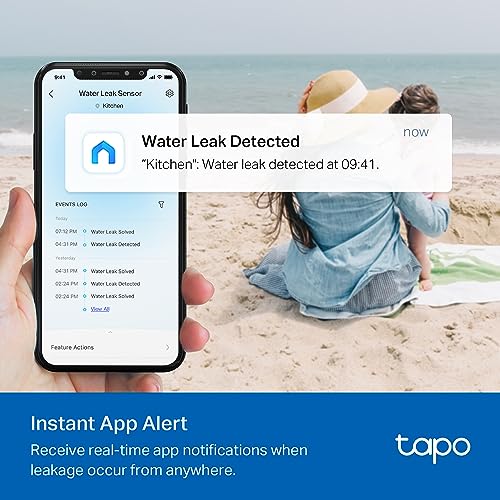
The most common praise is reliability once set up: buyers describe the sensor staying connected for months, with a loud, effective on-device alarm and instant phone alerts that have genuinely caught leaks in progress. Setup is described as quick, especially for buyers already in the Tapo app ecosystem, and the detection is sensitive to water from both the top and bottom of the unit. Buyers with a mesh network or an already-established Tapo hub setup particularly like that the sensor just works alongside their other Tapo and Kasa devices without extra configuration.
What to know before you buy
The biggest source of frustration is the hub requirement itself: this sensor does not connect directly to WiFi, it needs a separate Tapo Hub, and buyers who didn't realize this before purchasing were disappointed. Outside the US, a few buyers also ran into regional compatibility issues, where the sensor model didn't pair with the hub model available in their country, so it's worth confirming the sensor and hub versions match for your region before buying. A couple of buyers noted the top-mounted drip sensor is a small target that can miss a light drip landing slightly off-center, while the base probes are more consistently reliable for standing water. It has no Apple HomeKit, SmartThings or Matter support, and no built-in temperature sensor.
Is the Tapo T300 worth it?
For buyers already invested in the Tapo or Kasa ecosystem, or anyone willing to add a modestly priced hub, the T300 delivers dependable, long-battery-life leak detection with a genuinely loud local alarm. The value proposition is weaker for someone wanting a single standalone sensor with no other smart home hardware, since the hub becomes a mandatory added cost and setup step. Once that's accounted for, and the correct regional hub is matched, it's a well-regarded, low-maintenance option.
Frequently asked questions
Does the Tapo T300 need a hub?
Yes, it connects over a Sub-1GHz radio to a Tapo Hub rather than directly to WiFi or Bluetooth, so a compatible Tapo Hub is required.
Does it work with Apple HomeKit?
No, the Tapo T300 does not support Apple HomeKit, Samsung SmartThings, or Matter. It works with Google Home, but not Alexa, which has no device type for leak sensors.
How long does the battery last?
It runs on 2x AAA batteries with a manufacturer-rated battery life of about 3 years, helped by the low-power Sub-1GHz connection to the hub.
How loud is the alarm?
It has a 90dB on-device alert sound plus a light indicator, which buyers consistently describe as loud enough to hear from other rooms.
Will the sensor and hub work in any country?
Not always. A few buyers outside the US reported their T300 sensor didn't pair with the hub model sold in their region, so it's worth confirming the sensor and hub versions match before buying.
Does it detect temperature as well as leaks?
No, the Tapo T300 is dedicated to water-leak detection and does not include a temperature sensor or freeze alerts.