Live nowPrime Day 2026October 6 to 7, 2026Starts in04d14h18m28sSee the deals
Side-by-side comparison · Updated for 2026

Best Smart Water Shutoff Valves in 2026

Compare smart water shutoff valves by installation type, pipe size, flow sensor, micro-leak test, offline auto shutoff, battery backup and integrations.

As an Amazon Associate I earn from qualifying purchasesIndependent · Not sponsored
10
Products
9
Brands
15%
Top discount
  • Basic Information
  • Rating
  • Reviews
  • Launch Year
  • Warranty
  • Model
  • Company
  • Brand
  • Headquarters
  • Size & Materials
  • Weather Resistance
  • Dimensions
  • Weight
  • Power
  • Wired
  • Battery Type
  • Battery Life
  • Battery Backup
  • Connectivity
  • 2.4 GHz WiFi
  • Bluetooth
  • Z-Wave
  • Zigbee
  • Thread Protocol
  • Other
  • Integrations
  • Google Home
  • Alexa
  • Apple HomeKit
  • Samsung SmartThings
  • Home Assistant
  • Matter
  • Valve & Installation
  • Installation Type
  • Pipe Sizes
  • Motor Torque
  • Valve Exercise
  • Leak Protection
  • Flow Sensor
  • Micro-Leak Test
  • Offline Auto Shutoff
  • Wired Leak Sensor
  • Freeze Alerts
  • Features
  • Automations

No results

Price alerts

Water Shutoff Valve price drops, every week

We check the price of every Water Shutoff Valve in the catalog daily, and email you the drops.

Smart home deals and news, straight to your inbox

Price drops, new releases and the smart home news worth knowing.

No spam. Unsubscribe in one click.

Your subscription could not be saved. Please try again.
Please enter a valid email address.
Your subscription has been successful.
Popular filters

Popular Filters

Quick shortcuts to compare products.

Weather Resistance Support
Water Shutoff Valves with
Weather Resistance Support
WiFi Support
Water Shutoff Valves with
WiFi Support
Z-Wave Support
Water Shutoff Valves with
Z-Wave Support
Zigbee Support
Water Shutoff Valves with
Zigbee Support
Google Home Integration
Water Shutoff Valves with
Google Home Integration
Alexa Integration
Water Shutoff Valves with
Alexa Integration
Apple HomeKit Integration
Water Shutoff Valves with
Apple HomeKit Integration
Home Assistant Integration
Water Shutoff Valves with
Home Assistant Integration
Matter Integration
Water Shutoff Valves with
Matter Integration
Flow Sensor
Water Shutoff Valves with
Flow Sensor
Buying guide

How to choose Water Shutoff Valves

Smart Water Shutoff Valves close your home's main water supply automatically when a leak is detected, from your phone from anywhere, or on a schedule. A burst pipe or a failed washing machine hose can release hundreds of gallons an hour, and water damage is one of the most expensive home insurance claims, so the valve's job is simple: stop the water before it spreads. What separates a good one from a weak one is how it is installed, whether it can detect leaks on its own, and whether it still closes when the internet or the power is down. A shutoff valve works best as part of a small system: Water Leak Sensors under sinks and next to appliances raise the alarm, and the valve acts on it. Many valves connect through one of the smart home Hubs, and they belong next to Smoke & CO Detectors in any home safety setup. For garden watering, the valves you want are Water Timers instead. When comparing shutoff valves, look at their installation type, pipe sizes, leak protection, power and battery backup, connectivity and integrations.

Installation Type: Retrofit Actuator or Inline Valve

This is the first decision, and it drives the price, the installation and what the device can do.

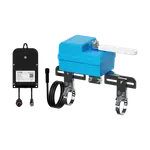
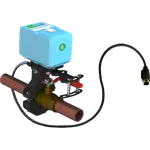
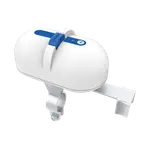
  • A retrofit actuator is a motor that clamps onto the handle of the shutoff valve you already have and turns it. It installs in minutes with no plumbing work and no water cut, and it costs a fraction of an inline system. It relies on leak sensors to know when to close, since it cannot see the water flowing.
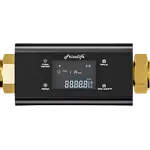
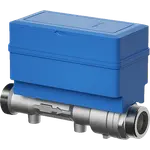
  • An inline valve is a motorized valve cut into the main line, usually by a licensed plumber. It costs more up front and to install, but most inline systems carry a Flow Sensor, so they can detect a leak by themselves and show your water usage. Some insurers only recognize this type for their discounts.

Pipe Sizes and Valve Compatibility

Check the Pipe Sizes before anything else: most homes have a 3/4 inch or 1 inch main line. For a retrofit actuator, the spec is the range of valve sizes its bracket fits, and it only works on a quarter-turn ball valve with a lever handle. Older homes with a round-wheel gate valve need a plumber to replace it with a ball valve first. Leave room around the valve too, because the actuator needs clearance between the handle, the pipe and the wall.

Motor Torque and Valve Exercise

A main valve that has not been turned in years can be very stiff. Motor Torque, given in newton meters (N·m), tells you how much force a retrofit actuator can apply; more torque means a better chance of closing an old valve on the first try. Valve Exercise keeps the valve from seizing in the first place: the device turns it partway on a schedule and back, so it still moves the day it is needed. A stuck valve is the most common reason an automatic shutoff fails.

Leak Protection

  • Flow Sensor: measures the water flowing through the main line. With it, the valve can close on its own when it sees a burst pipe, a toilet that never stops running, or water flowing far longer than usual, even where no leak sensor is installed. It also powers the water usage charts in the app.
  • Micro-Leak Test: the valve closes briefly, usually at night, and watches the pressure in the pipes. If the pressure drops with the valve closed, water is escaping somewhere, which finds slow drips of a few drops a minute that flow sensing alone misses.
  • Offline Auto Shutoff: the valve closes when a leak is detected even if the internet is down, because it talks to its leak sensors directly or through a local hub. A valve that waits for a cloud service to relay the alarm will not close during an outage.
  • Wired Leak Sensor: a probe or sensing cable connected to the valve by a wire, placed next to the water heater or the main line. It closes the valve with no radio, hub or battery in between.
  • Freeze Alerts: a warning when the temperature at the valve or of the water nears freezing, giving you time to add heat before a pipe bursts.

Power and Battery Backup

Retrofit actuators often run on batteries, which makes installation easy but means checking the Battery Type and Battery Life. Plug-in models (Wired) need an outlet within reach of the main line. A storm that cuts the power is also when pipes freeze and sump pumps fail, so a plug-in valve with a Battery Backup keeps protecting the house exactly when it is most at risk.

Connectivity and Smart Integration

Connectivity Protocols

  • 2.4 GHz Wi-Fi valves connect straight to your router with no hub, though the main line is often in a basement or garage at the edge of the Wi-Fi coverage.
  • Zigbee and Z-Wave valves use low-power mesh networks and need a compatible hub. Z-Wave Long Range reaches far corners of the house without repeaters.
  • Some brands use their own long-range radio, often pairing the valve directly with the same brand's leak sensors so it keeps working without the internet.

Smart Home Ecosystems

Shutoff valves can be controlled from Google Home, Alexa, Apple HomeKit, Samsung SmartThings and Home Assistant, and some through Matter. Automations are the point: close the water when any leak sensor in the house gets wet, when the security system is armed for a vacation, or when the temperature drops near freezing.

Weather Resistance

Most shutoff valves are installed indoors, but a valve on a main line in an unheated garage, a crawl space or outside the house needs a good Weather Resistance rating. Look for a high second digit in the IP rating: IPX5 and above resist water jets, IP66 and IP67 handle harsh, wet locations.

Frequently Asked Questions

What is the difference between a retrofit actuator and an inline water shutoff valve?

A retrofit actuator clamps onto the handle of your existing ball valve and turns it, so you can install it yourself in minutes without cutting any pipe. An inline valve is a motorized valve plumbed into the main line, usually by a licensed plumber. Inline systems cost more, but most include a Flow Sensor that detects leaks on its own and tracks water usage, while an actuator depends on leak sensors.

Will a smart shutoff actuator work on my existing water valve?

Only if it is a quarter-turn ball valve with a lever handle, within the actuator's Pipe Sizes range, and with enough clearance around it for the bracket. Round-wheel gate valves are not supported, so a home with one needs a plumber to swap it for a ball valve first. Motor Torque matters for old, stiff valves.

Does a smart water shutoff valve need leak sensors?

A retrofit actuator does, because it cannot see the water: it closes when a paired Water Leak Sensor or a Wired Leak Sensor detects water. An inline valve with a Flow Sensor can also close on its own when it sees abnormal flow, and a Micro-Leak Test finds slow drips, but leak sensors next to the water heater and the washing machine still catch a leak sooner.

Will the valve still close if the internet or the power goes out?

Check two specs. Offline Auto Shutoff means the valve talks to its leak sensors directly or through a local hub, so it closes without the internet. For power cuts, a battery-powered valve is unaffected, while a Wired valve needs a Battery Backup to keep working; without one it stays in its last position until the power returns.

Can a smart water shutoff valve lower my home insurance?

Some home insurers offer a discount or a lower deductible for an automatic water shutoff, because water damage is one of the most expensive claims. Requirements vary: some insurers only recognize professionally installed inline valves with a Flow Sensor, so check with your insurer before choosing a type.

Why does valve exercise matter?

A main shutoff valve can sit open for years and seize with mineral buildup, and a seized valve is the most common reason an automatic shutoff fails in an emergency. With Valve Exercise, the device turns the valve partway on a schedule and back, so it keeps moving freely.

Which smart home platforms work with smart water shutoff valves?

Depending on the model, valves work with Google Home, Alexa, Apple HomeKit, Samsung SmartThings and Home Assistant, and some support Matter. Zigbee and Z-Wave valves need a compatible hub, while Wi-Fi valves connect to your router directly. The most useful integration is an Automation that closes the valve when any leak sensor in the house detects water.