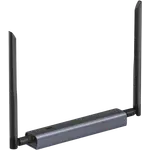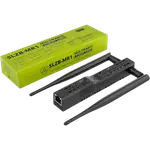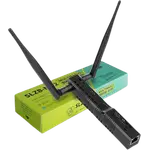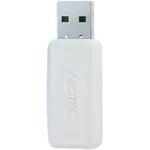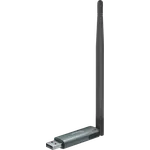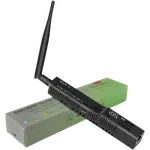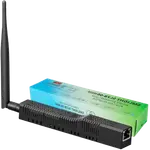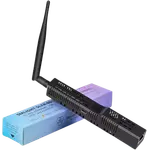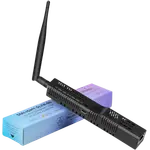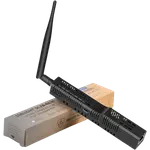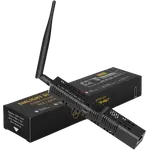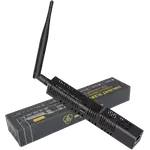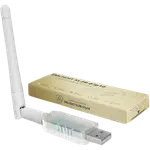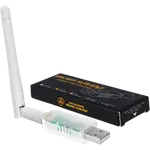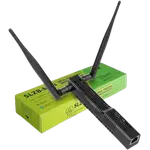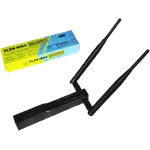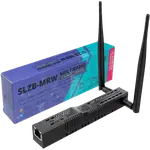
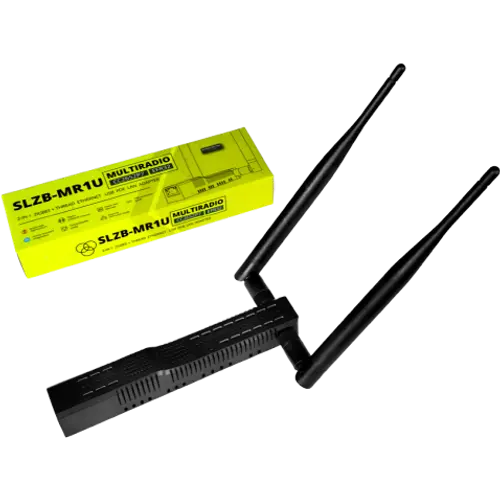
Smlight SLZB-MR1U

Smlight

SLZB-MR1U

Launch Year: 2025

Open selection

Summary

Size & Materials: 90g / 3.2oz

Connectivity: USB, Ethernet, 2.4 GHz Wifi

Zigbee: Zigbee Version (Zigbee 3.0), Zigbee Chip Manufacturer (Silicon Labs / Texas Instruments), Zigbee Chip Model (EFR32MG21 / CC2652P7), Zigbee Coordinator, Zigbee Router

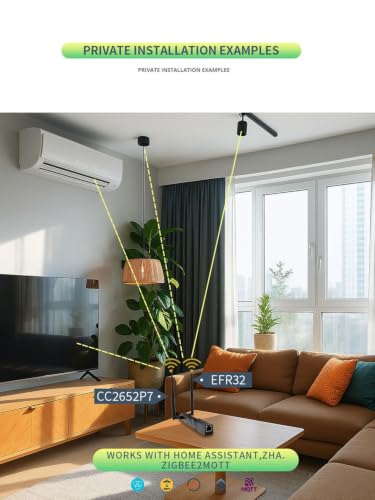
Integrations: Home Assistant, Zigbee2MQTT

Price History

Loading price history...

Company

BrandSmlight
Headquarters
Ukraine flagUkraine
Websitehttps://smlight.tech
Twitter@smlight_tech

Size & Materials

Length x Width x Height

- Length: the longest side of the device

- Width: the shorter side of the device

- Height: the vertical dimension of the device

?

The physical weight of the device, typically measured in grams (g) or ounces (oz).

Weight can be important for installation considerations, especially for wall-mounted or battery-powered devices.

90g / 3.2oz

Power

USB

YES

PoE

YES

Connectivity

USB

YES

Ethernet is a widely used technology for wired networking, providing a stable and high-speed connection between devices on a local area network (LAN).

Speed: Ethernet can offer higher and more consistent speeds compared to Wi-Fi. Modern Ethernet standards can support speeds from 100 Mbps (Fast Ethernet) to 10 Gbps (10 Gigabit Ethernet) and beyond.

Stability and Reliability: Because it uses a wired connection, Ethernet is less susceptible to interference from other devices and physical barriers, leading to a more stable and reliable connection.

Lower Latency: Ethernet typically offers lower latency compared to Wi-Fi, making it ideal for applications that require real-time data transfer, such as online gaming and video conferencing.

Security: A wired connection is generally more secure than a wireless one, as physical access to the network is required to intercept data.

YES

2.4 GHz Wifi

YES

5 GHz Wifi

NO

Zigbee

Zigbee Version

Zigbee 3.0

Texas Instruments CC chips, such as the CC2531, CC2652, and CC1352 families, are widely used due to their long history in Zigbee development, strong community support, and excellent compatibility with popular Zigbee stacks. Newer CC26xx and CC13xx chips offer significantly more RAM and flash, enabling support for larger Zigbee networks with many devices and complex routing tables.

Silicon Labs EFR32 chips, including EFR32MG21 and EFR32MG24, are more recent and focus on higher performance, lower power consumption, and multi-protocol capabilities. These chips are commonly used in modern coordinators that support Zigbee, Thread, and Matter. They generally offer strong radio performance and are well suited for future-proof setups, especially where Matter over Thread is a consideration.

Silicon Labs / Texas Instruments

Zigbee Chip Model

EFR32MG21 / CC2652P7

Zigbee Coordinator

YES

Zigbee is a wireless communication protocol designed for low-power, short-range applications, commonly used in smart home devices, industrial automation, and other areas requiring reliable, low-data rate communication. It features low power consumption, making it ideal for battery-operated devices, and supports short-range communication, typically up to 100 meters. Zigbee employs mesh networking, allowing devices to dongle data through each other to extend range and improve reliability. It supports data rates up to 250 kbps, suitable for small data packets, and ensures interoperability among devices from different manufacturers if they conform to Zigbee standards. Security is robust, with AES-128 encryption for data protection.

Zigbee devices need a Zigbee-compatible dongle to connect and communicate with other devices in your smart home setup.

YES

Z-Wave

Z-Wave Version

-

Z-Wave Chip Manufacturer

-

Z-Wave Chip Model

-

Zigbee is a wireless communication protocol designed for low-power, short-range applications, commonly used in smart home devices, industrial automation, and other areas requiring reliable, low-data rate communication. It features low power consumption, making it ideal for battery-operated devices, and supports short-range communication, typically up to 100 meters. Zigbee employs mesh networking, allowing devices to dongle data through each other to extend range and improve reliability. It supports data rates up to 250 kbps, suitable for small data packets, and ensures interoperability among devices from different manufacturers if they conform to Zigbee standards. Security is robust, with AES-128 encryption for data protection.

Z-Wave is known for its low power consumption, making it ideal for battery-powered devices. It supports a mesh networking topology, allowing devices to communicate with each other directly or through intermediary nodes, thus extending the overall network range and enhancing reliability. The protocol supports data rates of up to 100 kbps, suitable for transmitting control commands and sensor data.

NO

Matter

Thread is a wireless communication protocol designed specifically for Internet of Things (IoT) devices, providing secure, reliable, and scalable networking. Unlike some other protocols, Thread is IP-based, which means it can seamlessly integrate with existing internet infrastructure. It operates in the 2.4 GHz frequency band and uses mesh networking to enhance reliability and extend range by allowing devices to dongle data through each other.

Thread is optimized for low power consumption, making it suitable for battery-operated devices. It supports low-latency communication, which is crucial for real-time applications like home automation and security systems. The protocol ensures high security with AES-128 encryption and end-to-end security at the network layer. Thread also supports over-the-air updates, ensuring devices can stay up to date with the latest features and security patches.

Thread-enabled devices require a Thread Border Router (such as certain smart home dongles or routers) to connect to your home network and other Thread devices.

YES

Matter is a unified, open-source connectivity protocol designed to standardize and simplify communication between smart home devices from different manufacturers. Developed by the Connectivity Standards Alliance (formerly the Zigbee Alliance), Matter aims to improve interoperability, security, and reliability across various smart home ecosystems.

Matter operates over existing networking technologies, including Ethernet, Wi-Fi, and Thread, providing flexibility in device connectivity. Its IP-based nature allows seamless integration with existing internet infrastructure and cloud services. Matter uses a mesh networking topology, particularly when operating over Thread, to enhance range and reliability by allowing devices to dongle data through each other.

Security is a cornerstone of Matter, with end-to-end encryption and secure device onboarding processes ensuring robust protection for data and privacy. Matter also supports over-the-air updates, allowing devices to stay current with the latest features and security enhancements.

NO

Radio Specifications

Amplifier Gain

+20dB

External Antennas

2

Antenna Gain

+5dBi

Integrations

Home Assistant is an open-source platform that allows for extensive customization and integration of a wide variety of smart devices. It supports a multitude of protocols and brands, making it ideal for tech-savvy users.

YES

Zigbee2MQTT

YES

Features

Can run both Zigbee and Thread at the same time, with each protocol handled by a separate dedicated radio.

YES

Can function as Bluetooth Low Energy (BLE) proxy devices for Home Assistant. This allows them to relay BLE signals (e.g. from temperature or presence sensors) to Home Assistant over the network, extending Bluetooth coverage in your home.

YES

Allows you to access USB devices — Z-Wave sticks, extra Zigbee coordinators, UART modules — over Ethernet as if they were connected locally.

YES

Dongles

Compare smart dongles by supported protocols, connectivity, hardware specs, integrations, automations, and compatibility with platforms like Matter, Zigbee, and Thread.

More Smlight products